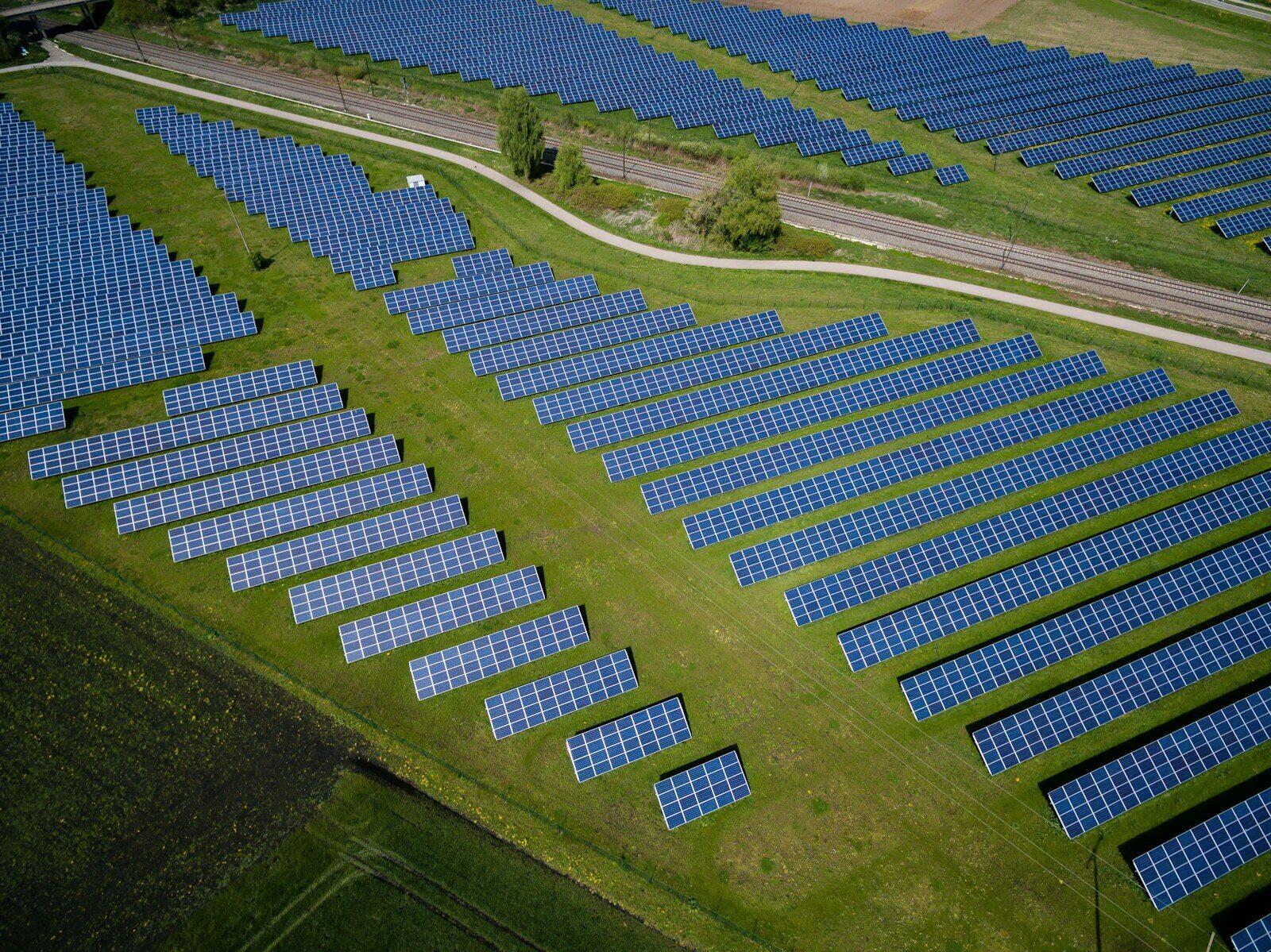
Malaysia hit 32% renewable energy installed capacity in 2025 — comfortably past the 20% interim target for that year. From here the official goal is 40% by 2035 and 70% by 2050. As an installer working on residential and commercial Solar ATAP every week, what this milestone tells us is straightforward: solar policy in Malaysia is durable. The programmes we're putting customers into today aren't going to be quietly retired next year.
- 32% renewable energy installed capacity (vs 20% target for 2025)
- 40% RE by 2035 — next NETR milestone
- 70% RE by 2050 — long-term decarbonisation goal
- RM 16.5 billion RE investments from GLICs and GLCs in Budget 2026
- CRESS projected to generate RM 3.5 billion in private RE investments
Why the 2025 target was beaten
Solar PV did most of the heavy lifting. LSS rounds 1 through 5+ collectively cleared over 6 GW of utility-scale solar by end-2025, and NEM Rakyat plus commercial NEM filled additional capacity at rooftop scale. The FiT legacy fleet (mostly biomass, mini-hydro, and early solar) added a steady contribution, and Sarawak's hydro continued to dominate the non-solar mix. For Peninsular Malaysia specifically, solar is now the workhorse — there's no realistic substitute that scales fast enough to hit 40% by 2035.
What changes between 32% and 40%
Closing the gap needs roughly 10-15 GW of new RE additions over the next decade, depending on demand growth. The pipeline is already partially there: LSS6 (~2 GW), Solar ATAP (500 MW residential annual ceiling), CRESS (500 MW first window), and the Masdar–MIDA 10 GW corporate roadmap. We see this in our own pipeline too — commercial customers in Klang Valley are signing today on the assumption that GITA, NEM credits, and Solar ATAP rules stay broadly stable through 2030.
What this means for you as a buyer
The 40% target is a long-run signal to the market. For homeowners and SMEs weighing solar in 2026, the meaningful read is: the supporting incentives — GITA for business, SuRIA Home for residential — sit inside a multi-decade policy window, not a 12-month experiment. We tell prospective customers the same thing we tell ourselves as a Sdn Bhd: the policy direction is one-way. Install in 2026 to capture current incentives; install in 2030 and you'll likely still benefit but the rebates will probably be different.
Source
This summary is based on reporting from Energy Tracker Asia. Read the full original report at the source link for the publisher's complete coverage.