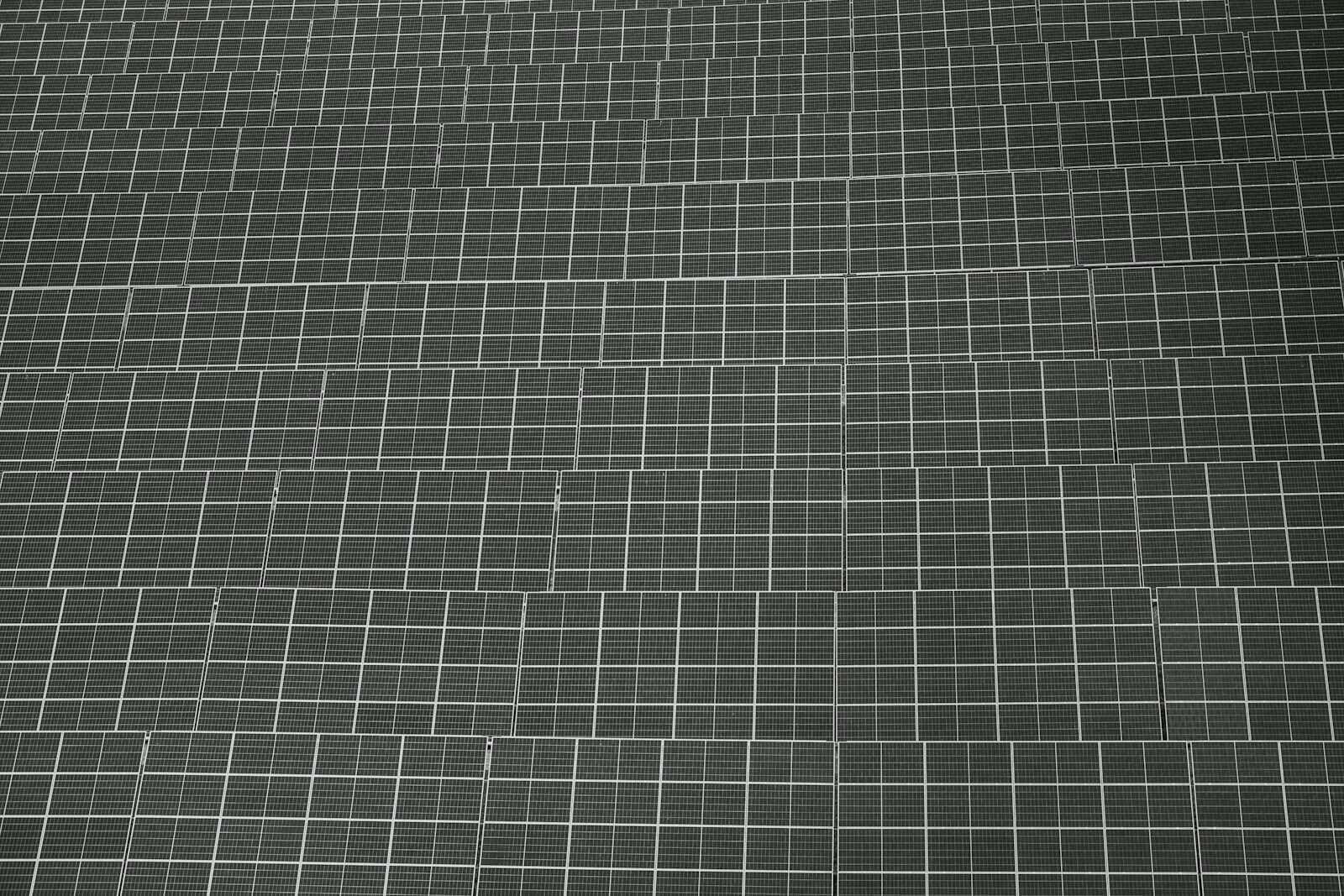
UAE-based Masdar (Abu Dhabi Future Energy Company) has signed a 21-year Power Purchase Agreement worth approximately US$208 million with Tenaga Nasional Berhad (TNB) to develop a 200 MW floating solar plant on Chereh Dam, Pahang. When it reaches commercial operation it will be Southeast Asia's largest floating photovoltaic facility.
The project is the inaugural deliverable of the 10 GW renewable energy roadmap signed in 2023 between Masdar and the Malaysian Investment Development Authority (MIDA), and it was awarded under the Energy Commission's LSS5+ tender with the lowest tariff bid in the floating-solar category.
- 200 MW AC nameplate capacity
- US$208 million PPA value (21-year term)
- 950 acres of reservoir surface coverage
- Projected to power 100,000+ homes
- Chereh Dam, Pahang — existing TNB hydroelectric reservoir
- Awarded under LSS5+ with the floating-solar category's lowest tariff
- First project under the Masdar-MIDA 10 GW roadmap (signed 2023)
Why this project matters
Three things make Chereh significant beyond just its size.
(1) Floating PV at scale validates a new land-class for Malaysian solar. Until now, Malaysian utility solar has been almost entirely ground-mount, competing with palm oil, agriculture, and conservation for land. Chereh proves the country can deploy hundreds of megawatts on existing reservoirs without expanding the land footprint of renewables.
(2) The lowest LSS5+ floating-solar tariff sets a price benchmark. Masdar's winning bid implies a long-run levelised cost of electricity (LCOE) competitive with — possibly cheaper than — Malaysian ground-mount LSS pricing once you factor in the avoided land cost and panel-cooling efficiency uplift. That pricing will anchor every subsequent floating-solar award.
(3) It executes the first chunk of the Masdar-MIDA 10 GW roadmap. The 2023 MoU between Masdar and MIDA committed to 10 GW of Malaysian RE investment over the decade. Chereh is project #1. The next 9.8 GW will determine whether this is a marquee headline or a structural shift in Malaysian energy mix.
The floating PV advantage — and the trade-offs
Floating photovoltaic (FPV) systems mount solar panels on pontoon structures anchored to the bed of a reservoir or dam. The strengths vs ground-mount:
- No land-use conflict — Malaysian agricultural land is increasingly contested; FPV doesn't compete
- Panel cooling — water-surface temperatures are typically 5-8°C cooler than land, lifting panel efficiency by approximately 3-10% over the year
- Reduced reservoir evaporation — panels shade the water, cutting evaporative loss (Malaysia loses billions of litres annually from reservoir evaporation)
- Co-located with hydroelectric — Chereh is already a TNB hydro facility, meaning grid connection, transmission, and operations infrastructure are largely in place
The trade-offs are real:
- Higher capex per kWp — floating structures, marine-grade cables, and tropical-water-rated mounting add 10-20% to system cost
- O&M complexity — cleaning, inspection, and inverter maintenance over water requires specialised crews and equipment
- Environmental study burden — DOE/NRES require detailed environmental impact assessment for any large reservoir intervention
For the Chereh project, the existing TNB hydroelectric infrastructure substantially reduces grid-connection cost, which helps explain the winning tariff.
Where it sits in Malaysia's 2026 RE mix
Malaysia ended 2025 with roughly 32% renewable energy installed capacity — comfortably ahead of the 20% target for that year. The National Energy Transition Roadmap (NETR) now aims for 40% RE by 2035 and 70% by 2050. To hit those, Malaysia needs:
- Bulk utility solar (LSS) — projects like Chereh, ground-mount farms, and future floating tenders
- Rooftop solar (Solar ATAP) — residential and commercial behind-the-meter generation (see our Solar ATAP guide)
- Battery storage (BESS) — MyBEST 400 MW utility tender already underway; see our BESS analysis
- Grid modernisation — including the new CRESS third-party access framework
Chereh contributes ~0.6% to current installed capacity on its own — modest, but its strategic value is in opening the floating-PV asset class. Expect more reservoir/dam floating tenders in LSS6 and beyond.
Does this affect Solar ATAP customers?
Not directly. Chereh is a utility-scale supply-side investment — it adds RE megawatts to the national grid that TNB sells through standard tariffs. Solar ATAP is the demand-side / behind-the-meter scheme where individual households and businesses generate their own electricity and export surplus back to TNB.
The two are complementary, not competitive:
- More LSS supply (including Chereh) generally supports lower long-run wholesale electricity costs, which trickles into the System Marginal Price (SMP) that Solar ATAP exporters earn
- Diversified RE supply (utility + rooftop) gives the grid more flexibility to absorb intermittent generation, which supports looser quotas and more generous export rules for Solar ATAP over time
Timeline & what to watch
Per the PPA structure:
- Late 2025 / Q1 2026: PPA signed; financial close and Energy Commission environmental review
- 2026: Detailed engineering, procurement of floating structures (largely imported from China + Korea)
- 2026-2027: Construction phase — pontoon assembly, panel installation, cabling, grid integration
- 2027-2028: Targeted commercial operation date (COD)
- 2028-2049: 21-year PPA generation period
Things worth watching:
- How quickly construction completes — a 200 MW floating array is logistically more complex than land-based equivalents
- Whether the lowest-tariff bid proves sustainable through the 21-year term (panel degradation, replacement schedules, water-level variability all affect the LCOE math)
- What Masdar deploys for projects #2-#20 under the 10 GW roadmap — likely a mix of more floating, ground-mount, and possibly green hydrogen
- Whether LSS6 (expected late-2026/2027) opens a dedicated floating-solar quota
Frequently asked questions
What is the Chereh Dam floating solar project?
A 200 MW floating photovoltaic plant being developed by UAE-based Masdar on the surface of Chereh Dam reservoir in Pahang, Malaysia. It will cover approximately 950 acres of water surface and is projected to power more than 100,000 homes once operational. It is Southeast Asia's largest floating solar plant and was awarded under Malaysia's LSS5+ tender with the lowest tariff in the floating-solar category.
Who signed the Power Purchase Agreement?
Masdar (Abu Dhabi Future Energy Company), the UAE's clean energy champion, signed a 21-year Power Purchase Agreement with Tenaga Nasional Berhad (TNB) for approximately US$208 million. The project is the first under the 10 GW renewable energy roadmap agreed between Masdar and the Malaysian Investment Development Authority (MIDA) in 2023.
Why floating solar instead of ground-mount?
Floating solar (FPV) deploys panels on the surface of reservoirs, dams, and inland water bodies. Advantages: no land-use conflict, the water cools the panels (3-10% efficiency uplift), reduced evaporation from the reservoir, and existing dam infrastructure already has grid connection. Trade-off: higher capex per kWp due to floating structures and marine-grade balance-of-system.
Does this affect rooftop Solar ATAP customers?
Not directly. Chereh is a utility-scale LSS5+ award — supply-side investment that adds renewable capacity to Malaysia's grid mix. Solar ATAP is the rooftop / behind-the-meter scheme for residential and commercial customers. They run in parallel: LSS adds bulk generation, Solar ATAP empowers individual consumers. More LSS supply typically supports lower long-run tariffs and stronger grid flexibility for Solar ATAP exports.
When will the plant come online?
Construction is expected to commence in 2026 with commercial operation targeted around 2027-2028, subject to Energy Commission and environmental approvals. The PPA term is 21 years from commercial operation date.
Sources & further reading
- pv magazine — Masdar moves forward with 200 MW floating PV project in Malaysia
- Masdar — Official announcement of inaugural Malaysian project
- SolarATAP.com.my — Solar ATAP Guide 2026 (rooftop scheme that runs in parallel)
- SolarATAP.com.my — Battery Storage Malaysia 2026 (companion utility-scale RE story)