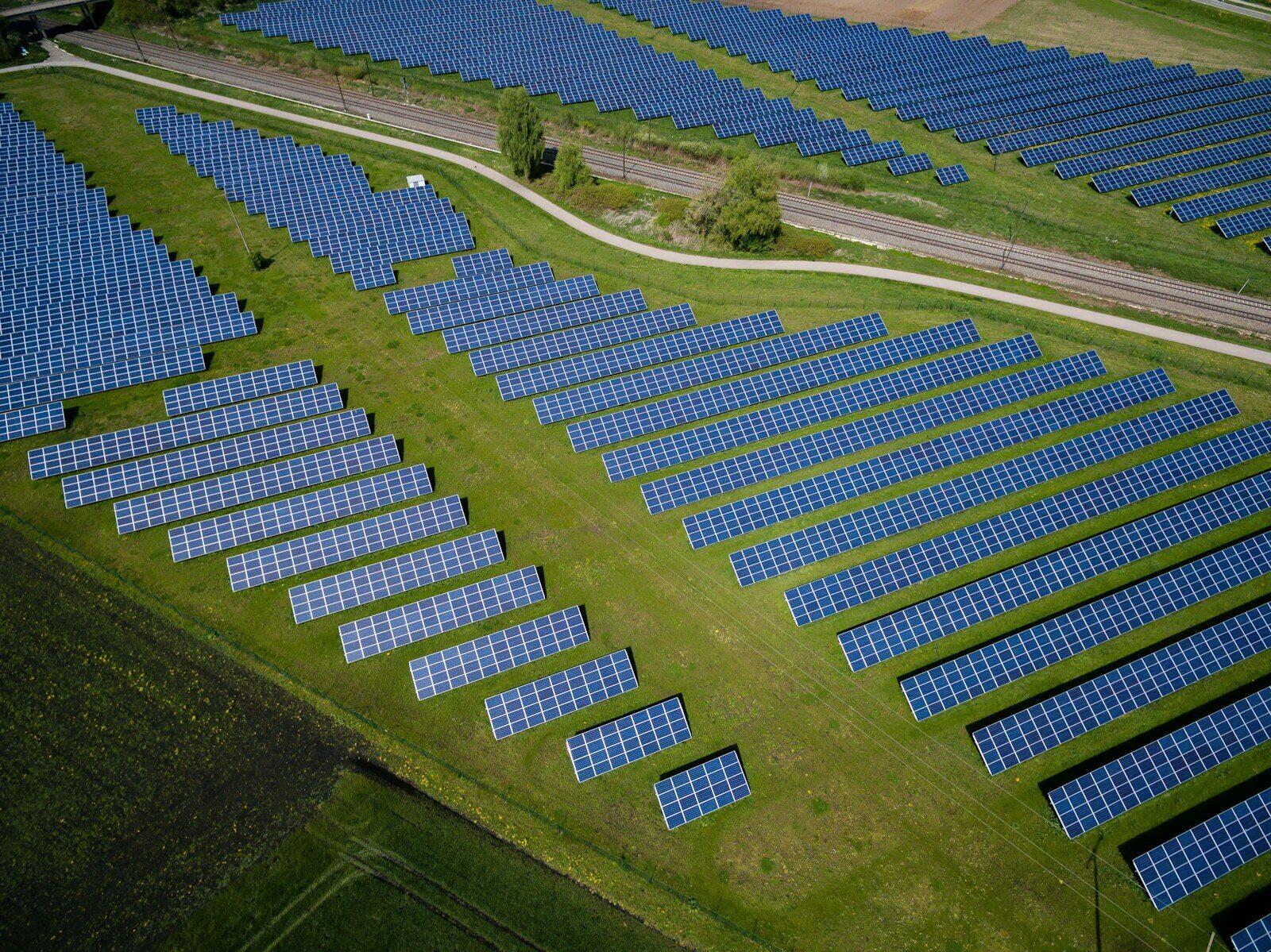
The World Bank's IFC arm committed funding in early December 2025 for a 4 GW / 5.12 GWh solar-plus-storage complex in Malaysia — one of the largest single solar finance packages Southeast Asia has seen. For Solar ATAP customers in 2026, this isn't directly actionable, but it's a meaningful background signal about the seriousness of Malaysia's solar build-out at scale.
- 4 GW solar PV nameplate capacity
- 5.12 GWh co-located battery storage
- World Bank / IFC as anchor financier
- Powers a planned industrial / special economic zone development
- Among the largest single solar-plus-storage finance packages in Southeast Asia
Why solar-plus-storage at this scale matters
Solar without storage hits grid integration limits — Malaysian transmission can absorb only so much midday intermittency before stability becomes an issue. Pairing solar with utility-scale batteries shifts excess noon generation into the evening peak (the air-conditioning hours when residential demand spikes). The 5.12 GWh storage envelope on a 4 GW solar block is sized exactly for that duty cycle. From a grid-operator view, this is what makes the next wave of solar deployment manageable.
How this fits the broader 2026 pipeline
Combined with the other recent moves — Sabah's 100 MW / 400 MWh BESS inaugurated in December 2025, the Energy Commission's MyBEST tender for 400 MW / 1,600 MWh on the Peninsular grid, and the Masdar–MIDA 10 GW corporate roadmap — Malaysia is starting to look like a serious solar-plus-storage market, not a solar-only one. International finance from the World Bank is a credibility signal layered on top of domestic deployment.
What this means for Solar ATAP customers
Utility-scale projects don't directly change what a homeowner in Cheras or Penang pays for rooftop solar, but they do shift the grid context in which Solar ATAP runs. More storage at the utility level means Solar ATAP exports retain useful value to the grid (rather than being curtailed during midday surplus). For commercial customers exploring on-site BESS — our BESS guide covers current pricing. Big BESS finance deals like this generally signal declining battery costs across the supply chain, which trickles down to commercial-scale storage too.
Source
This summary is based on reporting from pv magazine. Read the full original report at the source link for the publisher's complete coverage.